Tongue Tie FAQ
Clinical Care & Mobile Tongue Tie Clinic Service
Do I need a referral to visit your private tongue-tie clinic?
No. As a Specialist Private Midwife, I accept direct bookings. You do not need a referral from your GP or Health Visitor to access my mobile clinic services across London and Greater London. I travel to you for home visits.
What happens during a home visit tongue tie assessment?
A professional assessment is far more than a "quick look." It is a 60–120 minute clinical consultation. We review your feeding history, birth story, and baby's symptoms. I perform a physical examination to assess tongue lift, lateralisation, and body tension. This unhurried care ensures we address the root cause of feeding challenges.
Do you offer weekend or Sunday appointments?
Yes. I recognise that feeding challenges are often urgent. I offer Saturday and Sunday home visits across London by request.


The Functional Approach & Bodywork
Why do you offer two different Pathways?
Not every baby is ready for a surgical division on the first day. Following a functional first philosophy, I believe in preparing the baby's body for the best outcome.
Pathway 1: For babies where the restriction is clear and oral function allows for a safe, immediate division.
Pathway 2: A phased approach for complex feeding challenges. This prioritises oral therapy and bodywork first, ensuring the baby is "functionally ready" before we consider surgery. this is also a great option for parents that are less keen to do a division (frenulotomy).
What is "Bodywork" and why is it important?
Tongue-tie doesn't just affect the mouth; it can create tension through the jaw, neck, and the entire "midline" of the baby's body. I incorporate gentle bodywork and oral motor exercises to help release this tension. By addressing the whole body, we often find that feeding mechanics improve significantly, supporting a more comfortable recovery.
Why might my baby not benefit from a division on the same day?
If a baby has body tension or a very disorganised suck, an immediate division can sometimes be counterproductive. The tongue is a muscle; if it is "tethered" by tension elsewhere in the body, cutting the frenulum won't fix the underlying struggle. My training with Carmelle Gentle's method helps me identify when a baby needs a "prep phase" to ensure the tongue is actually capable of moving freely post-procedure.
Symptoms & Safety
What are the common "Red Flags" for tongue-tie?
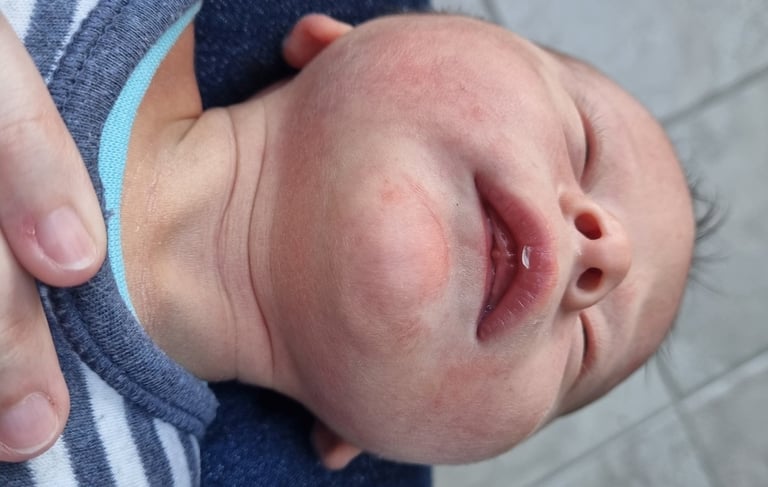
For Baby: Difficulty maintaining a latch, clicking sounds, excessive gas/reflux, and poor weight gain.
For Mother: Painful, damaged nipples, mastitis, and low milk supply.
For Bottle-Feeding: Milk dribbling, feeds taking over an hour, or excessive air intake.
Is your tongue-tie service CQC regulated?
Yes. To ensure the highest safety standards, my services operate with CQC (Care Quality Commission) oversight via the Natal Network. I am a registered member of the Nursing and Midwifery Council (NMC) and the Association of Tongue-Tie Practitioners (ATP).
What are the risks of a private frenulotomy (division)?
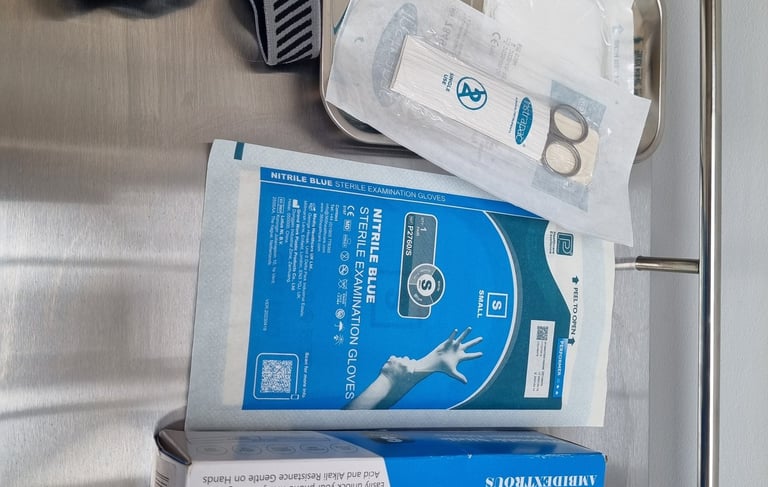
Frenotomy is a routine and safe procedure. Minor risks include:
Bleeding: Significant bleeding is rare (approx. 1 in 3,000–5,000).
Infection: Highly uncommon (approx. 1 in 10,000).
Reattachment: In 2–4% of cases, tissue may heal back with restricted mobility, which is why I provide specific aftercare exercises.
Pricing & Recovery
How much does a private tongue-tie assessment and division cost?
I provide transparent, clinical pricing with no hidden travel fees:
Specialist Assessment & Feeding Support: £200 (Required for all families).
Pathway 1 (Total): £290 (Assessment + Division performed in one visit). £200 assessment cost is included.
Pathway 2 (Total): £350 (Phased approach with oral therapy before division). Includes care across two home visits for for feeding support, bodywork and division if required. £200 assessment cost is included.
NIPE (Newborn Exam): £250.
Will a division help my baby's feeding immediately?
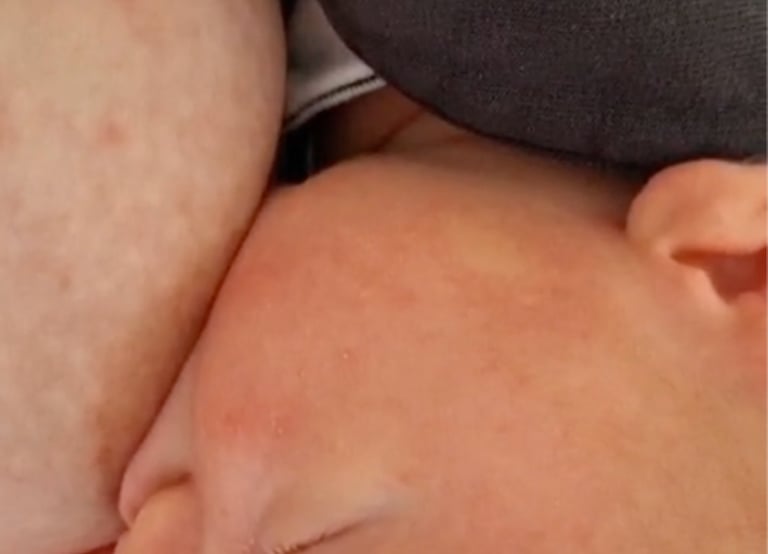
Some babies show immediate improvement, while others need time to "re-learn" how to use their tongue muscles. The division removes the "tether," but the muscles then need coordination. This is why my pathways include ongoing feeding support to ensure a sustainable journey for you and your baby.
Contact
Phone
hello@tonguetie.baby
07706 191892
© 2026. All rights reserved.
Tongue Tie Baby London is a trading name of Supporting Motherhood Ltd Registered Companies House: 16712033 182-184 High Street North, London, E6 2JA
Specialist Midwife-Led Tongue-Tie Assessments, Holistic Feeding Care, and Frenulotomy (Division). We offer rapid-response, at-home clinical visits for feeding support and oral function evaluations across London, Essex, and Hertfordshire, including:
North & East London / Essex: Walthamstow (E17), Hackney (E8), Islington (N1), Highgate (N6), Crouch End (N8), Muswell Hill (N10), Wanstead (E11), Romford (RM), Loughton (IG10), Chigwell, Buckhurst Hill, and Epping.
Southeast London: Greenwich (SE10), Blackheath (SE3), Woolwich (SE18), Charlton (SE7), and Bexleyheath (DA).
Hertfordshire Borders: Hertford (SG14), Ware (SG12), Hoddesdon (EN11), and St Albans (AL).
Clinical Services
Pathway 1: Clinical Assessment & Same-Day Division (Frenulotomy)
Pathway 2: Holistic Feeding & Oral Function Care
Transparent Pricing
Our fees cover the full specialist clinical assessment, hands-on lactation support, and your targeted pathway care plan. We believe in absolute transparency with no hidden travel fees, parking, or Congestion Charges, ever.
NMC Registered Independent Midwife | CQC-Regulated Oversight via The Natal Network